Rock The Ages
A Neuroscientific Approach to Nature, Health & Vitality
Cabin Fever- It’s real in Wisconsin
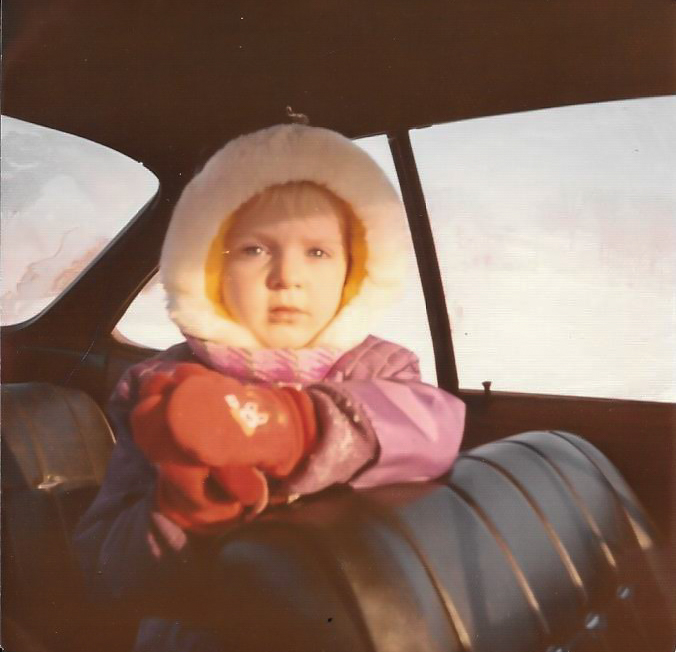
Hallelujah! It looks like we survived the Polar Vortex of 2019!
As I peer outside my home office window, there is a smattering of green mushy grass between mounds of snow left from the plow, yet to melt away. I analyse the road of my country subdivision in eager anticipation of a first spring walk with my best friend, Christine, this evening. About a mile away, rests the Eisenbahn trail- a converted railroad track, now used for pedestrian hiking, biking and snowmobiling. Each day as I pass the trail in my car, I grow more anxious to get my bicycle out onto its gravel path; back to indulging my senses in my favorite pastime, nature.
I have grown weary of winter- frankly, I’m over it! Based on the conversations I have in my clinic, I think it’s the consensus. “I’ve had the vacuum cleaner out for three days, and I cannot get the gumption to get up and use it”, one patient reports. “We cannot get out due to the ice. We just seem to be arguing about everything, so I just tune her out and watch television”, reports another. Every fall I remind my patients they need to establish a “winter plan”. Understanding how winter affects us is important. Personally, I love the outdoors. I’ve discovered that for me, surviving winter means bringing the outdoors in a little. I have a room with lots of sunlight that I have green plants that I can water and tend to. I’m a birder, so I set up my heated bird bath and lots of feeders in places that I can drink my coffee and enjoy seeing “life” amongst the still of winter, in the company of my grandchildren. I always plan an early spring vacation for my husband and I to look forward to. This year, I have a Neurology meeting in Spain. We leave in two weeks, and the anticipation of a cultural getaway has helped lift our spirits.
So, what IS “cabin fever”?
Essentially, its feeling claustrophobic due to space confinements for lengthy periods of time. In 1984 researchers from the University of Minnesota elicited interviews on the topic of “cabin fever” in 35 Minnesota men and women, ages 17 to 84. Most common reports included feelings of dissatisfaction at home, restlessness, boredom, irritability, and needing to break routine.
Seasonal affective disorder, or SAD, is commonly linked to cabin fever. However, the two disorders are different. The key difference is that cabin fever is specifically associated with isolation, while SAD occurs during the winter months even in people who are not confined in space. The two conditions may occur together, so its important to talk to your healthcare provider about your symptoms since the depression may need to be treated.
My prescription for treating cabin fever is simple: Get out and interact with nature! Shovel the snow, go snowshoeing or cross country ski or just bundle up and watch your dog, kids, or grand kids play in the snow. Research has demonstrated that even brief interactions with nature can improve cognitive functioning, support a positive mood, and overall well-being. Escaping the confinement of the indoors and changing your scenery and surroundings can easily help. Going outside to experience the openness of the world will stimulate the brain and body enough to eliminate feelings of intense claustrophobia, paranoia, and restlessness associated with cabin fever. Just bundle up in Wisconsin!

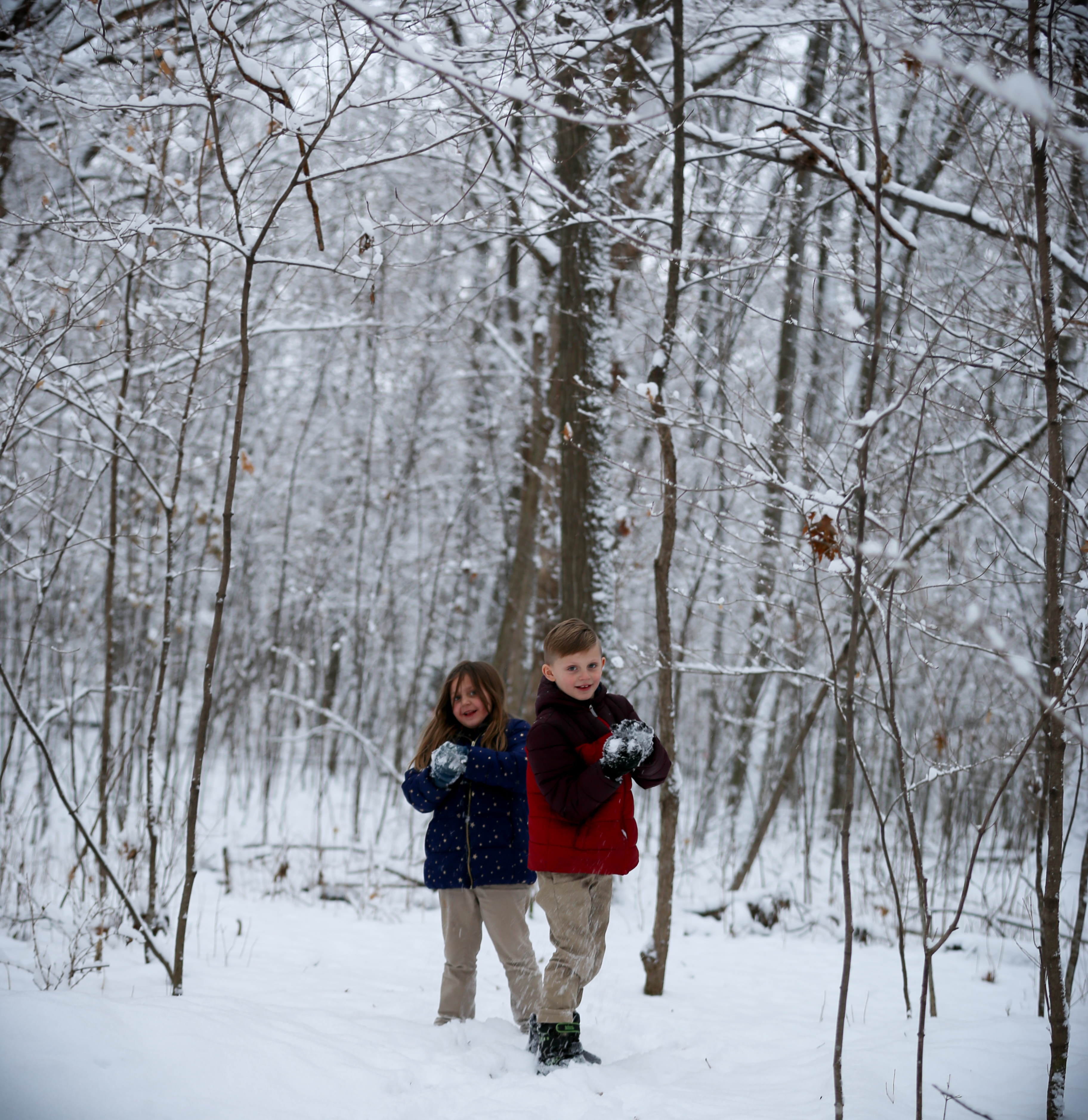

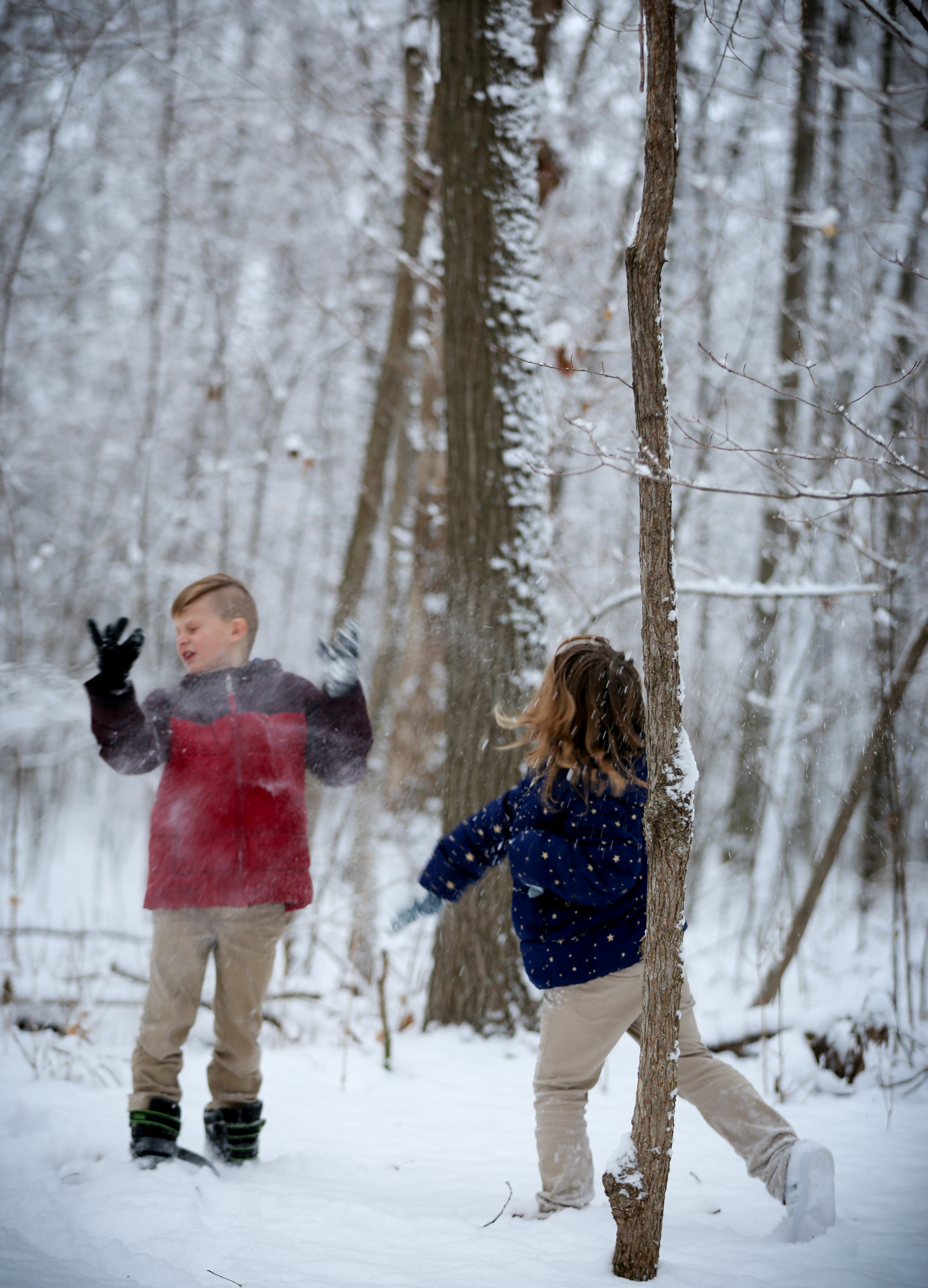
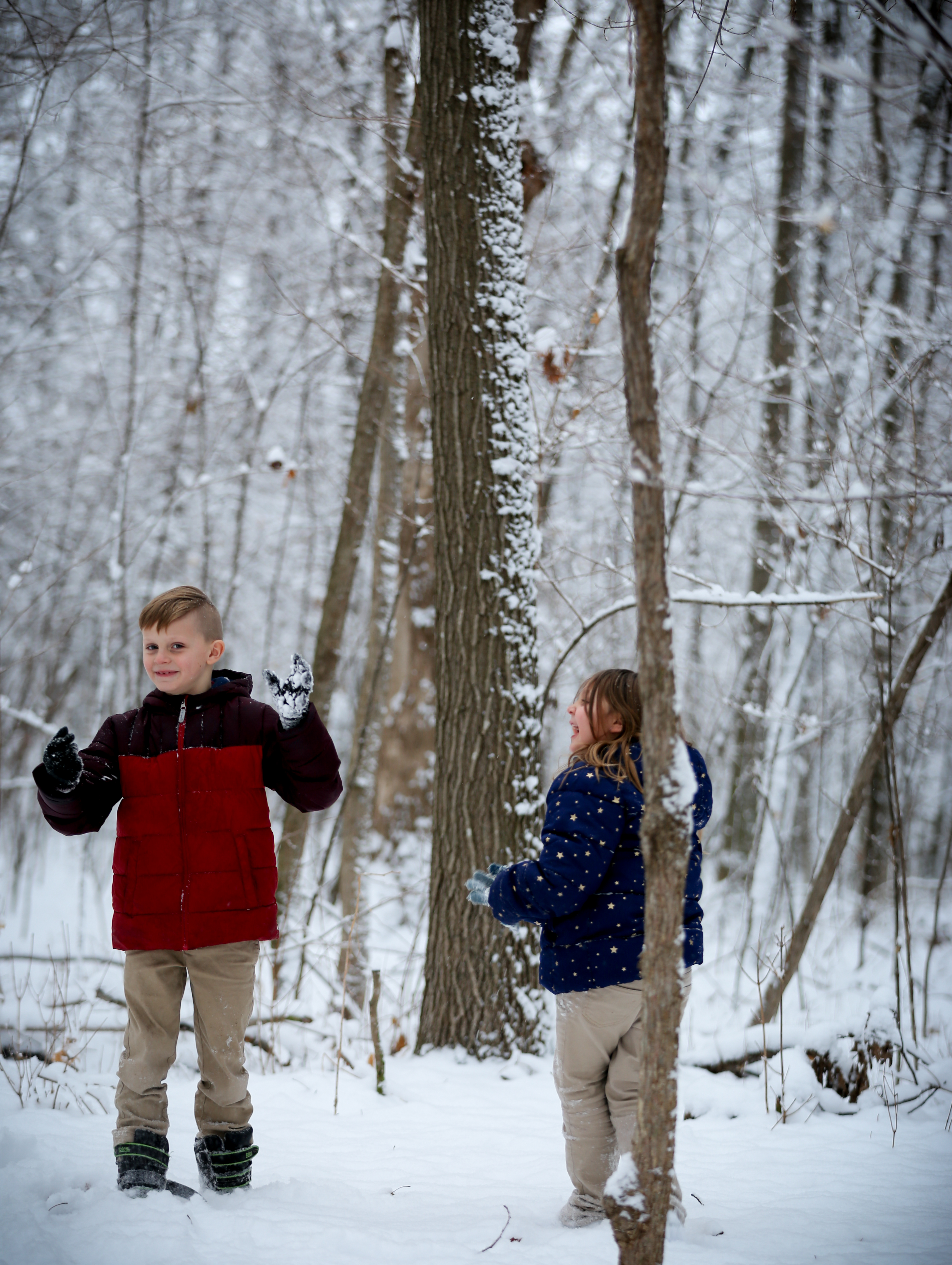

My favorite memory this winter: a snowball fight with my grandchildren
Tips for “Cabin Fever”
- Remember Spring is Coming: Winter is almost over! You’ve made it through the worst of it. Soon there will be flowers blooming and long sunny days… Keep in mind that you are in the home stretch!
- Get Outside, Get Moving: During the winter months, people spend more time inside. Even if you have to bundle up, go out for a walk! Set aside time, perhaps around lunch, to spend a few minutes outside. You’ll get some exercise and soak up the sun, including the vitamin D that comes with it. If there is a body of water such as a lake or pond nearby, take advantage of it. A 2018 study in the Journal of Positive Psychology shows that just five minutes a day walking by the water boosts our mood.
- Bring the Outdoors In: Set aside sunny space to tend and groom plants. Start your spring seedlings. A study published in the Journal of Physiological Anthropology demonstrated that active interaction with indoor plants can reduce physiological and psychological stress by suppressing the sympathetic nervous system activity (responsible for your fight or flight response) and diastolic blood pressure; promoting comfortable, soothed, and natural feelings.
- Re-energize Social Relationships: During winter, we often become homebodies. We spend more time alone and can lose motivation to go out. How many times have we all thought, “I don’t feel like going out tonight because it is so cold”? Skipping plans with friends can leave us feeling isolated. Pick a fun activity to re-energize your social life and help you feel connected to the people you love.
- Plan a Trip: This is the time to make some plans, both for trips and local activities. Whip out the calendar and schedule something fun. Ideas could include planning a weekend getaway, signing up for a winter cruise or taking a class online or at your local technical college. This will give you things to look forward to and then enjoy!
- Spring Clean and Donate: This is the perfect time to get spring-cleaning out of the way. You can get a fresh start by organizing your closet. You’ll rediscover old outfits and can donate gently used items you no longer want to charities such as the Salvation Army. Other people will benefit, and you’ll feel great.
- Plan Ahead: Establish a “winter plan” in the fall. In the Midwest, cabin fever should not be a surprise. If you know you become more restless and sedentary during this time, then think ahead. How are you going to stay fit and active? What resources are available in your community and home? If you cannot get to the gym, make sure you have the equipment you need at home to maintain your strength and health. If you are on Medicare, this may be a good time to initiate a physical therapy referral, so you avoid decline and are ready to be more active come spring.
References
(2018). Nature contact and mood benefits: contact duration and mood type. The Journal of Positive Psychology. Ahead of Print
Source: Nature contact and mood benefits: contact duration and mood type
(2015). Interaction with indoor plants may reduce psychological and physiological stress by suppressing autonomic nervous system activity in young adults: a randomized crossover study. Journal of physiological anthropology, 34(1), 21.
(1984). The Meaning of “Cabin Fever”. The Journal of Social Psychology: Vol. 123, No. 1, pp. 43-53.
Source: The Meaning of “Cabin Fever”
 Rock The Ages
Great read, thanks for sharing!
LikeLiked by 1 person
Thank you Donna, I’m glad you enjoyed it!
LikeLike